
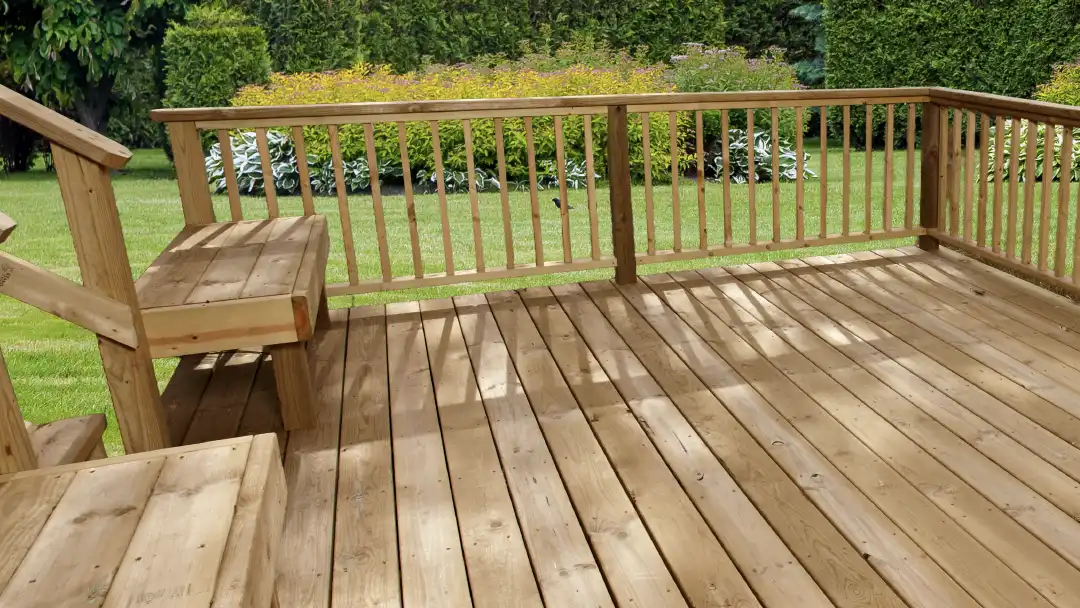
Pressure-Treated Lumber Grades Explained: How to Choose the Right Treated Wood
Pressure-treated lumber is used across a wide range of outdoor, structural, and specialty building applications. But choosing the right treated wood is not only about picking the right size or treatment level. Lumber grade also plays an important role in how the product looks, performs, and fits the intended use.
For builders, dealers, contractors, and homeowners, understanding pressure-treated lumber grades can help reduce confusion, improve material selection, and support better project outcomes.
At Biewer Lumber, treated wood products are built around consistency, quality, and dependable performance, helping buyers choose the right material for the job.
What Are Lumber Grades?
Lumber grades are classifications used to describe the quality, strength, appearance, and expected performance of a piece of wood. Grades are based on characteristics such as knots, wane, splits, grain, strength properties, and overall appearance.
In simple terms, lumber grades help buyers understand what they are getting. A higher appearance grade may be better suited for visible projects like decks, fencing, and outdoor living spaces. A structural grade may be selected for strength-focused applications where load-bearing performance is more important than appearance.
When lumber is pressure-treated, the grade of the wood still matters. Treatment helps protect the wood against certain environmental threats, but it does not erase the original grade or change the basic visual and structural characteristics of the lumber.
What Is Pressure-Treated Lumber?
Pressure-treated lumber is wood that has been treated with preservatives to help protect it from decay, rot, insects, and other exposure-related damage. During the pressure-treatment process, preservative chemicals are forced into the wood under pressure, helping the material last longer in approved applications.
Pressure-treated lumber is commonly used for decks, docks, fences, landscaping, outdoor structures, framing, and other projects where moisture or ground contact may be a concern.
The treatment level, wood species, and lumber grade all work together to determine whether a product is appropriate for a specific project.
Why Pressure-Treated Lumber Grades Matter
Not every treated board is intended for the same use. Grade helps determine whether a board is better suited for appearance, structural performance, utility use, or general construction.
Choosing the right grade matters because it can affect:
- How the finished project looks
- How the material performs under load
- How much waste or sorting may be required
- How easy the material is to sell, install, or specify
- Whether the wood is appropriate for visible or structural use
For dealers and contractors, grade selection can also impact customer satisfaction. A buyer expecting clean, attractive decking boards may not be satisfied with a lower-grade product, even if the lumber is properly treated.
Common Pressure-Treated Lumber Grade Terms
Different mills, species, and product categories may use different grading terminology. However, there are several common grade terms buyers often encounter when evaluating pressure-treated lumber.
Premium or Appearance Grade
Premium or appearance-grade treated lumber is selected for projects where the finished look matters. These boards are typically chosen for visible applications such as decks, porches, fencing, railings, and outdoor living projects.
Appearance-focused grades usually have fewer visual defects and a cleaner overall presentation. They are often preferred when the wood will be seen regularly and the project needs a more polished finished result.
Select Grade
Select-grade lumber is often chosen for consistency and appearance. It may offer a cleaner look than standard construction-grade material and can be a strong fit for applications where both performance and appearance are important.
For projects where customers want a better-looking treated wood product, select-grade options can help improve the finished result.
#1 Grade
#1 grade lumber is typically a higher structural grade than #2. It is often used where strength, stiffness, and overall quality are important. #1 grade boards generally have fewer limiting defects than lower grades and may be selected for more demanding applications.
In treated wood, #1 grade material may be used for structural outdoor projects, framing components, or applications where higher-quality lumber is required.
#2 Grade
#2 grade lumber is one of the most common construction grades. It is widely used in framing, decks, general construction, and other applications where a balance of performance and cost is important.
For many treated wood projects, #2 grade can provide a practical and economical option, especially when appearance is not the primary concern.
Standard and Better
Standard and better grades are often used for general construction purposes. This type of material may be suitable for applications where utility and function matter more than a high-end finished appearance.
Buyers should review the intended use carefully to make sure standard-grade treated lumber fits the project requirements.
Utility Grade
Utility-grade lumber is generally used for non-appearance or lower-demand applications. It may include more visual defects and may not be appropriate for structural or highly visible uses.
Utility-grade material can be useful in the right setting, but it should be selected with a clear understanding of its limitations.
Pressure Treatment Does Not Replace Grade Selection
One common mistake is assuming that pressure treatment automatically makes all treated lumber equal. It does not.
Pressure treatment helps protect the wood from decay and insect damage in approved use conditions. Grade describes the quality, appearance, and structural characteristics of the lumber itself.
For example, two boards may both be pressure-treated, but one may be a higher appearance grade while the other may be a general construction grade. Both may be treated, but they may not be interchangeable for every project.
How to Choose the Right Treated Wood Grade
The right pressure-treated lumber grade depends on how and where the material will be used. Before selecting a product, consider the project’s performance needs, exposure conditions, appearance expectations, and budget.
For Decking and Outdoor Living Spaces
For decks, porches, and outdoor living spaces, appearance is often a major factor. Homeowners and contractors typically want boards that look clean, consistent, and attractive after installation.
For these applications, a higher appearance grade, select-grade product, or premium treated decking option may be the better choice.
For Framing and Structural Use
For structural framing, the focus is strength and performance. In these cases, buyers should pay close attention to grade, size, span requirements, and applicable building code requirements.
#1 or #2 grade lumber may be used depending on the project, but the final selection should match the structural requirements of the application.
For Fencing
Fence projects often require a balance of appearance, durability, and cost. Pickets, rails, and posts may each have different grade and treatment considerations.
For highly visible residential fencing, appearance-grade or select-grade pickets can help create a cleaner finished look. For posts or support members, structural and treatment requirements may matter more.
For Ground Contact Applications
When treated wood will touch the ground or be exposed to repeated moisture, treatment level is especially important. Grade still matters, but the product also needs to be rated for the correct exposure condition.
Examples may include posts, retaining structures, landscaping applications, and other projects where the wood is exposed to soil or moisture for long periods of time.
For Docks and Marine Environments
Docks, piers, and waterfront projects can be more demanding because of moisture, weather, and constant exposure. In these applications, buyers should consider both grade and treatment category carefully.
Choosing the wrong treated wood can lead to poor performance, premature failure, or unnecessary replacement costs.
Appearance vs. Structural Performance
One of the most important decisions when choosing treated lumber is whether appearance or structural performance matters more.
If the wood will be visible, such as on a deck surface, fence line, or railing, appearance grade may be worth the investment. Cleaner boards can reduce sorting, improve the finished look, and create a better customer experience.
If the wood will be hidden or used primarily for support, structural performance may matter more than appearance. In those cases, the grade should be selected based on the strength and application requirements of the project.
Questions to Ask Before Buying Treated Lumber
Before choosing a pressure-treated lumber grade, it helps to ask a few practical questions:
- Will the wood be visible after installation?
- Is the material being used structurally?
- Will the wood be above ground, ground contact, or exposed to frequent moisture?
- Does the project require a specific grade or treatment level?
- Is appearance, strength, cost, or long-term performance the top priority?
- Are there local code requirements that apply?
These questions can help buyers avoid overbuying, underbuying, or selecting a product that does not match the job.
Why Consistency Matters for Dealers and Contractors
For dealers, lumberyards, and contractors, consistency is critical. Customers expect treated lumber to perform well, look appropriate for the application, and be available when needed.
Inconsistent products can create problems on the yard, on the jobsite, and with end customers. That is why reliable supply and clear product expectations matter when purchasing treated wood.
Biewer supports treated lumber buyers with a focus on product quality, dependable service, and solutions designed to help projects move forward with confidence.
Final Thoughts
Pressure-treated lumber grades help buyers choose the right wood for the right application. Treatment protects the wood, but grade helps define appearance, strength, and overall suitability for the project.
Whether you are buying treated lumber for decking, fencing, framing, landscaping, docks, or other outdoor applications, understanding grade differences can help you make a better decision.
For current pricing, product availability, or help choosing the right treated wood product, contact the Biewer Lumber team.